
In the digital age, activating software like Windows 10 has become a typical task for many users. However, the use of tools such as windows 10 activator txt raises significant security concerns that warrant further exploration. This article delves into these concerns while shedding light on the implications of using unauthorized activation methods. Understanding the nuances of how these activators work and their potential risks is crucial for any user considering this route.
Understanding Windows 10 Activator TXT Files
The term “windows 10 activator txt” refers to text files that contain scripts or code designed to activate Windows operating systems without a legitimate product license. These files often exploit loopholes in Microsoft’s activation protocols, promising users a fully activated Windows experience without purchasing a valid license key. The allure of free software can be tempting, but it’s important to recognize the hidden dangers. Unauthorized activations not only breach legal agreements but also expose users to various cybersecurity threats.
The Mechanism Behind Text File Activators
Typically, a windows 10 activator txt file uses commands and scripts within a command line interface to bypass Microsoft’s activation servers. By exploiting vulnerabilities in the KMS (Key Management Service) protocol, these activators mimic legitimate activation transactions. Additionally, some might employ tools like KMSPico—commonly associated with kms pico windows 7 activation techniques—to simulate a licensed environment. This process may seem straightforward, but it involves complex interactions with system processes that are not intended for user manipulation. Manipulating these processes can have unintended consequences, potentially destabilizing your system or rendering it vulnerable to external attacks.
Risks Associated with Using Activation Scripts
Using a windows 10 activator txt comes with several risks. Firstly, it can expose systems to malware embedded within these activation scripts. Secondly, unauthorized activations breach Microsoft’s licensing agreement, leading to potential legal ramifications. Finally, tampering with system files through such activators can cause instability or data loss. Users must weigh the short-term benefits against long-term consequences when considering such methods. Additionally, reliance on these scripts could lead to future incompatibility issues when updating software or installing new applications.
The Prevalence and Appeal of KMS Tools
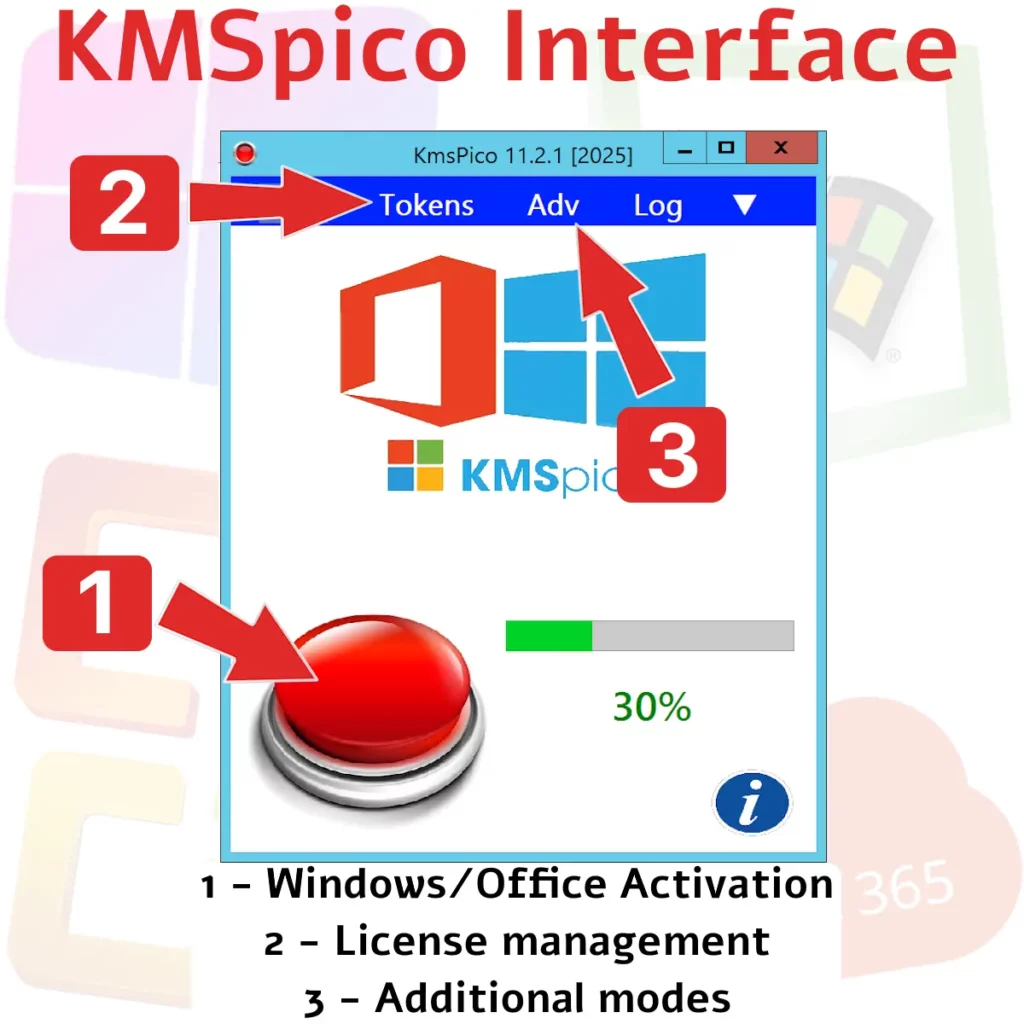
KMS tools, including kms pico and kmspico download versions, are widely used due to their reputation for consistently activating Office and Windows products without cost. Despite their popularity, these tools are inherently risky as they modify core system processes critical for maintaining secure operations. The widespread availability of these tools on the internet makes them accessible to anyone, yet this accessibility contributes to their misuse and associated security threats. Users often overlook the fact that what seems like an easy fix could open doors to more severe problems down the line.
Legal Implications of Using Activator TXT Files
Utilizing windows 10 activator txt files contravenes Microsoft’s End User License Agreement (EULA). This unauthorized use could lead to punitive measures from software vendors concerned about intellectual property infringement. Ensuring compliance with legitimate product activation is crucial for both individual users and organizations. Legal battles over software piracy have highlighted the need for awareness regarding genuine software usage. Furthermore, businesses found using illegal software may face heavy fines and damage to their reputations.
FAQ
What is a Windows 10 activator txt?
Is using a Windows 10 activator txt legal?
What are the risks of using a Windows 10 activator txt?
How can I legally activate Windows 10?
Can using an activator txt affect future updates?
The Cost of Falling for Crack Tools
While crack tools promise free access to premium features, they often compromise user privacy and security. For instance, downloading an unverified windows 10 pro activator might introduce spyware into your system, harvesting sensitive data unbeknownst to the user. The financial cost saved by avoiding legitimate purchases is often outweighed by the expense incurred from dealing with data breaches or identity theft. Organizations may find themselves spending significantly more on repairing damages than they would have on proper licenses.
Explore Legitimate Product Activation Options
Instead of risking security breaches with a windows 10 activator txt, consider legitimate pathways such as purchasing genuine licenses or exploring educational discounts offered by Microsoft. These options provide safe avenues for obtaining the security updates and support vital for maintaining device integrity. Moreover, official channels ensure that users receive comprehensive support in case of technical issues. Opting for legitimate solutions not only aligns with ethical computing practices but also enhances overall system stability and performance.
Concrete KMSpico Activation Alternatives
- Official Microsoft DISM (Deployment Image Servicing and Management) tool for managing Windows images.
- Subscription models providing automatic license renewal and support services.
- Evaluating enterprise solutions for large-scale deployments that require volume licensing agreements.
- Exploring Microsoft’s official channels for bulk licensing which can offer both savings and compliance assurance.
- Utilizing Microsoft’s customer support services for guidance on appropriate licensing solutions tailored to specific needs.
Protecting Systems Against Unauthorized Activations
Organizations should prioritize security measures against unauthorized software tampering. Implementing policies that prevent the use of any non-sanctioned tools—including windows 10 activator txt—is essential in safeguarding sensitive information. Developing comprehensive cybersecurity strategies can mitigate risks associated with illicit software use. Such strategies should include regular employee training sessions on recognizing phishing attempts and understanding secure computing practices.
Technical Safeguards in Virtual Environments
Running tests within controlled environments like VMs (Virtual Machines) helps identify vulnerabilities without affecting primary systems. A suggested configuration might include VM settings restricted to 2 vCPU and 4 GB RAM to efficiently allocate resources while simulating activations safely. Virtual environments provide a sandbox where potential threats can be analyzed without endangering actual operational environments. This approach allows IT departments to understand potential threats better before they impact real-world systems.
Ensuring Compliance Through Regular Audits
A routine audit strategy aids organizations in maintaining compliance with software licenses. By regularly reviewing activated systems and verifying them against purchase records, businesses can avoid penalties related to unauthorized use of crack tools or illicit activation scripts. Incorporating audits into regular IT maintenance schedules ensures ongoing vigilance against non-compliant software practices. Businesses should also consider external audits by certified professionals as an additional layer of compliance verification.
The temptation of using a windows 10 activator txt remains high given its promise of bypassing legitimate purchase requirements; yet this approach inherently carries significant risk factors related to legality and security. Opting for proper licensing ensures not only adherence to legal standards but also guarantees full support and updates from Microsoft—crucial elements in today’s rapidly evolving digital landscape. With an ever-increasing reliance on digital infrastructure, ensuring that all software is legally compliant becomes not just a matter of ethics but also one of practical necessity in safeguarding technological ecosystems from harm.
The broader implications involve understanding how unauthorized software impacts not just individual users but entire networks within organizations—potentially leading to widespread operational disruptions if left unchecked. Ultimately, embracing legal avenues fosters an environment where technology continues advancing securely and sustainably.